Home / On Campus Programs / Dental Hygiene
Dental Hygiene Associate Degree Program
CODA Accredited*
ABHES Accredited
On Campus | Hybrid**
At a Glance
~18 or 23 months*
Course length***
81.5-121.5
Total credits
150-315
Lab hours
930-962
Class hours
510-780
Externship hours
*Accreditation status varies by campus. Albuquerque, Houston and Seattle hold “approval without reporting requirements.” Phoenix and San Antonio hold “initial accreditation.” All statuses are granted by the Commission on Dental Accreditation (CODA), a specialized accrediting body recognized by the U.S. Department of Education.
**Hybrid education options not available at all campuses
***Albuquerque, Houston and Seattle approx. 23 months; Phoenix and San Antonio approx. 18 months
About the Dental Hygiene Associate Degree Program
Pima Medical Institute’s Dental Hygiene Associate Degree Program prepares students to become competent entry-level dental hygienists through didactic instruction, hands-on laboratory practice, and clinical experience. The curriculum builds the interpersonal and professional skills needed to deliver comprehensive preventive oral healthcare across diverse patient populations, covering anatomy and physiology, periodontology, pharmacology, radiology, oral pathology, dental practice management, dental hygiene law and ethics, and public health dentistry. Emphasizing critical thinking, evidence-based practice, and patient-centered care, the program prepares graduates to function as effective members of a professional dental care team and pursue lifelong learning in the field.
Graduates earn an Associate of Applied Science Degree and are eligible to apply for the National Board Dental Hygiene Examination (NBDHE) and other board examinations required for state licensure.
Where the Dental Hygiene Program Can Take You
Certification
Graduates are eligible to apply to sit for the National Board Dental Hygiene Examination (NBDHE), governed by the Joint Commission on National Dental Examinations (JCNDE). Students take RDH 226 or DHYG 2130, a dedicated 45-50 hour exam review course.*
Entry-level roles
Dental hygienist, pediatric dental hygienist, periodontal dental hygienist, public health dental hygienist or geriatric dental hygienist.
Career advancement
With experience, dental hygienists can move into lead hygienist, dental office coordinator, or dental hygiene educator roles, or specialize further in areas such as periodontics or public health.
Core Skills You’ll Develop
CLINICAL
PATIENT CARE
SCIENCE
COMPLIANCE
TECHNOLOGY
Program Objective
The Dental Hygiene program prepares students to become competent entry-level dental hygienists through a combination of didactic instruction, hands-on laboratory practice, and clinical experiences. The curriculum develops intrapersonal and professional skills essential for delivering comprehensive oral healthcare and promoting oral and systemic health in diverse populations. Students acquire knowledge and skills in areas such as anatomy and physiology, periodontology, dental practice management, dental hygiene law and ethics, general and oral pathology, patient management, pharmacology, public health dentistry, and radiology. Emphasizing critical thinking, evidence-based practices, and professional values, the program prepares graduates to function as effective members of a professional dental care team, advocate for patient-centered care, and engage in lifelong learning.
Graduates earn an Associate of Applied Science Degree and are eligible to apply for the National Board Dental Hygiene Examination (NBDHE) and other board examinations required for state licensure.
Hybrid Learning Options
For students who need more flexibility in their schedules, hybrid learning options are available at select campuses. Hybrid learning combines in-person instruction with online learning. Students can engage with course materials at times and in environments that suit their individual circumstances, such as balancing employment, family responsibilities or geographic constraints. However, externship hours must be completed entirely in person because hands-on clinical experience is essential for developing the practical skills and confidence needed for real-world patient care.
*Not all programs offer hybrid learning options; Hybrid education options not available at all campuses

Find a Campus Near You
Learn in a Real Dental Hygiene Clinic
Pima Medical Institute’s Dental Hygiene program gives you something most programs cannot: the opportunity to treat real patients in an on-site dental hygiene clinic before you graduate.
Early on in this program you will work in a clinic environment equipped with the same tools and technology used in professional dental offices, performing oral examinations, cleanings, X-rays, and patient education under the direct supervision of licensed dentists and dental hygienists. Unlike a simulation, these are community members receiving real preventive dental care, and you are the one delivering it.
By the time you graduate, you will have accumulated meaningful clinical hours, built professional confidence, and established connections that in some cases lead directly to employment. Learn more about Pima Medical’s Dental Hygiene Clinic.
Dental Clinic FAQClinical Externships
At Pima Medical Institute, most programs allow students to work in their field through clinical externships—a chance to be mentored by full-time professionals and interface with real patients.
In addition to real-world experience, clinical externships offer students resume-worthy opportunities, letters of recommendation from supervisors and sometimes job placement directly after graduation.
Continuing Your Dental Hygiene Education
Graduating with an associate degree is a vital pathway toward pursuing higher education later on. Interested in breaking into leadership or healthcare administration? At Pima Medical Institute, we offer an online Bachelor of Science in Health Care Administration that will give you the skills needed to move up within the healthcare industry, all with the flexibility of virtual instruction.
Job Outlook
What careers can you pursue with a Dental Hygiene associate degree?
The Dental Hygiene Associate Degree Program prepares students to apply for roles and other related career opportunities including:
- Dental hygienist: providing preventive oral healthcare services including cleanings, screenings, and patient education in dental offices and clinics
- Public health dental hygienist: delivering oral health education and preventive services in community, school, and public health settings
- Clinical dental hygiene educator: supporting the training of future dental hygienists in academic or clinical settings
- Dental office coordinator: managing scheduling, patient records, and administrative operations alongside clinical duties
- Periodontal hygienist: delivering specialized hygiene services in periodontal and specialty dental practices
These roles exist across private dental offices, group dental practices, specialty clinics, community health centers, public health agencies, hospital dental departments and educational institutions.
Career Services
When you’re a Pima Medical Institute student, you get access to our Career Services team—here for you when you need extra help with finding the right job opportunities, building a resume, strengthening your interview skills or just looking for general guidance.
View Career Services→Student Services
Our team of student service professionals are on hand to see students through the challenges they might face during their academic career. We offer guidance and resources to ultimately help build employable medical professionals.
View Student Services→Application Process
- Submit the form below
A few quick details so we can get to know you before we connect.
- Chat with our team
They’ll ask about your goals, your background, and what’s drawing you to healthcare. From there, they’ll help you find the right program and campus for where you are in life right now.
- Attend your campus tour
Experience Pima Medical in person and picture yourself in a career that matters. We’ll walk you through programs and what to expect.
- We help you complete your application
Our team guides you through every step, including enrollment and financial services, so nothing stands between you and getting started.
Dental Hygiene Associate Degree Eligibility Requirements
- Possess a high school diploma or recognized equivalency
- Additional requirements may apply by campus

Tuition & financial aid
Federal aid (FAFSA), institutional scholarships and payment plans are available for those who qualify to help make your education affordable.
FAQs About our Dental Hygiene Associate Degree Program
What is a dental hygienist?
What does a dental hygienist do?
What is the difference between a dental hygienist and a dental assistant?
Both roles are essential to a dental practice, but they involve different training, responsibilities and career paths. A dental hygienist holds an associate degree, is licensed in their state, and focuses primarily on preventive care — cleanings, screenings, patient education and radiography. A dental assistant typically completes a shorter certificate program and supports the dentist during procedures, handles sterilization, prepares patients and manages administrative tasks. Pima Medical offers both the Dental Hygiene associate degree program and the Dental Assistant certificate program so you can find the path that fits your goals.
What is CODA accreditation, and why does it matter?
What will I learn in the Dental Hygiene program?
How do I become a licensed dental hygienist after graduation?
Do dental hygienists work full time or part time?
What are the admissions requirements for the Dental Hygiene program?
Applicants should have a high school diploma or recognized GED equivalent. Additional requirements may apply by campus. Visit our Admissions Requirements page for full details or speak with a medical career specialist.
What campuses offer the Dental Hygiene program?
The Dental Hygiene Associate Degree Program is available at Pima Medical Institute campuses in Arizona (Phoenix), New Mexico (Albuquerque), Texas (Houston and San Antonio) and Washington (Seattle). Visit our locations page to find a campus near you.
Is financial aid available for the Dental Hygiene program?
Eligible students may be able to fund their education through federal financial aid programs, including Federal Pell Grants, federal student loans and scholarships. Speak with our financial services team or visit our Financial Aid page to learn more.
Program Outline
Learn more about the courses in this program.
Semester l
Semester II
Semester III
Semester IV
Semester V
Semester VI
Semester I
Semester II
Semester III
Semester IV
Semester V
Semester VI
Quarter I
Quarter II
Quarter III
Quarter IV
Quarter V
Quarter VI
Semester I
Semester II
Semester III
Semester IV
Semester V
Semester VI
Nobody Says It Better Than Our Students
Read our reviews from students and alumni to find out for yourself…
Pima Medical Blog
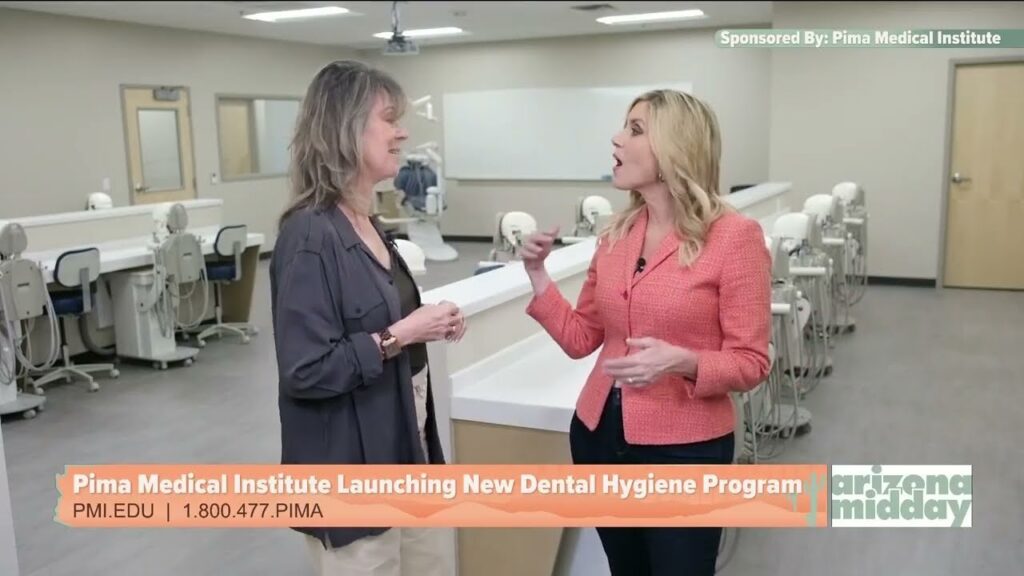
Phoenix Campus New Dental Hygiene Program Featured on 12News
Dental Hygiene Program Clinical Director Nicole Petit, MS, RDH, and Campus President Maria Walters showcase the new Dental Lab at the Phoenix Campus Pima Medical…
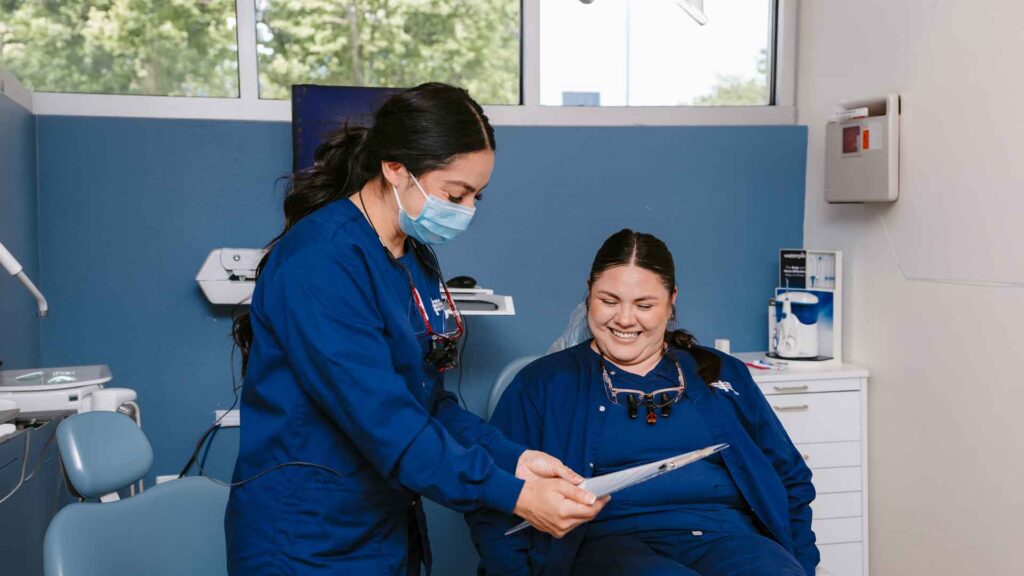
Pima Medical Institute launches new dental hygiene program at its Phoenix campus.
Pima Medical Institute is launching a Dental Hygiene program at our Phoenix campus, creating more educational opportunities for students and helping address a growing need…

Houston Instructors Earn Prestigious Awards from Career Colleges and Schools of Texas (CCST)
Our Houston Campus recently attended the annual conference for the Career Colleges and Schools of Texas (CCST.) At the conference, Dr. John Puryear and the…
Accreditations and Disclosures
Accreditation and Program Information
**Albuquerque, Houston and Seattle
The program in Dental Hygiene is accredited by the Commission on Dental Accreditation and has been granted the accreditation status of “approval without reporting requirements”. The Commission is a specialized accrediting body recognized by the United States Department of Education. The Commission on Dental Accreditation can be contacted at (800) 232-6108 or at 401 North Michigan Avenue, Suite 3300, Chicago, IL 60611-4250. The Commission’s web address is: http://coda.ada.org.
†Phoenix
The program in Dental Hygiene in Phoenix is accredited by the Commission on Dental Accreditation and has been granted the accreditation status of “initial accreditation.” The Commission is a specialized accrediting body recognized by the United States Department of Education. The Commission on Dental Accreditation can be contacted at (800) 232-6108 or at 401 North Michigan Avenue, Suite 3300, Chicago, IL 60611-4250. The Commission’s web address is: https://coda.ada.org
‡San Antonio
The program in Dental Hygiene in San Antonio is accredited by the Commission on Dental Accreditation and has been granted the accreditation status of “initial accreditation”. The Commission is a specialized accrediting body recognized by the United States Department of Education. The Commission on Dental Accreditation can be contacted at (800) 232-6108 or at 401 North Michigan Avenue, Suite 3300, Chicago, IL 60611-4250. The Commission’s web address is: https://coda.ada.org
View accreditation information for all programs by campus
Safety Hazards Related To The Dental Hygiene Profession
View program costs, additional disclosures and outcomes for this program (if applicable)
State Licensure Determination Disclosure
The Dental Hygiene program is offered via on-ground and hybrid delivery methods. The program is available to New Mexico, Texas, and Washington residents and meets applicable licensure requirements in those states. While there may be online components, completion of this program requires on-ground attendance at the campus at which the student is enrolled and cannot be completed solely via distance education. Prospective students and enrolled students should understand that moving out of the state in which they enrolled may adversely impact a student’s ability to complete the program. If a student is planning to relocate outside of their state of enrollment, they are required to discuss this with the Student Services Coordinator and/or Program Director.
In compliance with 34 CFR 668.43, Pima Medical Institute has made a reasonable effort to determine graduate eligibility for licensure in all states for programs designed and advertised as leading to licensure. The document below lists Pima Medical Institute programs and states where the curriculum meets licensure requirements, states where the curriculum does not meet licensure requirements, and states in which Pima Medical Institute has been unable to determine if the curriculum meets state licensure requirements. All consumers should be advised that due to the frequent changes to state statutes, rules, and regulations Pima Medical Institute cannot guarantee licensure based on the lists below.
Start Your Future as a Dental Hygienist
Request more information below and our team will be in touch with you as soon as possible. Or give us a call at 1-800-477-7462 to speak with someone right away.