Home / On Campus Programs / Veterinary Technician
Veterinary Technician Associate Degree Program
AVMA CVTEA Accredited
ABHES Accredited
On Campus | Hybrid*
At a Glance
~18 Months
Course length**
77.5 – 80.5
Total credits**
810-865
Class hours**
490-540
Lab hours**
240-465
Externship hours**
**Course totals include the Pima Medical Institute Veterinary Assistant certificate program, which is eligible for transfer into the Veterinary Technician program. The El Paso program is approximately 21 months. Credit totals and hours vary by location.
About the Veterinary Technician Program
If you love animals and want a meaningful career in veterinary medicine, Pima Medical Institute’s Veterinary Technician associate degree program gives you the skills and credentials to make it happen.
Through a curriculum that balances clinical knowledge with real-world application, you will learn animal anatomy, medical terminology, examination techniques, surgical assisting, diagnostic radiography, dental procedures and more. You will graduate with everything you need to support veterinarians and advocate for animal health across a wide range of veterinary environments. Graduates are prepared to sit for the Veterinary Technician National Exam (VTNE) and pursue licensure as a veterinary technician in their state.
Where the Veterinary Technician Program Can Take You
Certification
Graduates are eligible to apply to sit for the Veterinary Technician National Exam (VTNE), administered by the American Association of Veterinary State Boards (AAVSB).* Students take VTT 262, a dedicated VT seminar built to prepare for the VTNE.
Entry-level roles
Veterinary technician, veterinary technologist, animal health technician, surgical veterinary technician, emergency/critical care veterinary technician, laboratory animal technician or zoo/wildlife veterinary technician.
Career advancement
With experience, graduates can grow into leadership roles such as senior veterinary technician, technician supervisor, or practice manager. Many also pursue the Veterinary Technician Specialist (VTS) credential to specialize in areas like anesthesia, dentistry, or emergency care.
Core Skills You’ll Develop
CLINICAL
ADMINISTRATIVE
DIAGNOSTIC
Radiologic/diagnostic imaging for veterinary technicians, clinical lab procedures and pathology
ANATOMY
SURGICAL
SPECIES
Program Objective
Hybrid Learning Options
For students who need more flexibility in their schedules, hybrid learning options are available at select campuses. Hybrid learning combines in-person instruction with online learning. Students can engage with course materials at times and in environments that suit their individual circumstances, such as balancing employment, family responsibilities or geographic constraints. However, externship hours must be completed entirely in person because hands-on clinical experience is essential for developing the practical skills and confidence needed for real-world patient care.
*Not all programs offer hybrid learning options; Hybrid education options not available at all campuses

Program Structure
From Veterinary Assistant to Veterinary Technician
Pima Medical’s Veterinary Technician associate degree program is designed as a natural next step for graduates of the Veterinary Assistant certificate program. If you have already completed the Veterinary Assistant program at Pima Medical, those credits are eligible for transfer directly into the Veterinary Technician program, meaning you can build directly on what you have already learned. Students who are new to the veterinary field will begin with the Veterinary Assistant program before continuing into Veterinary Technician coursework. The combined program length is approximately 18 months. At the El Paso campus, Veterinary Assistant and Veterinary Technician are combined into a single, continuous program, approximately 21 months in length.
Find a Campus Near You
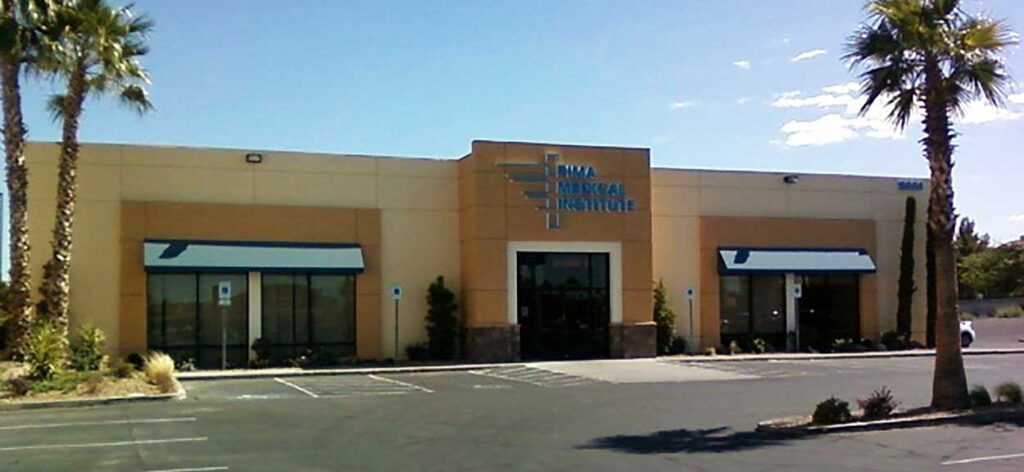
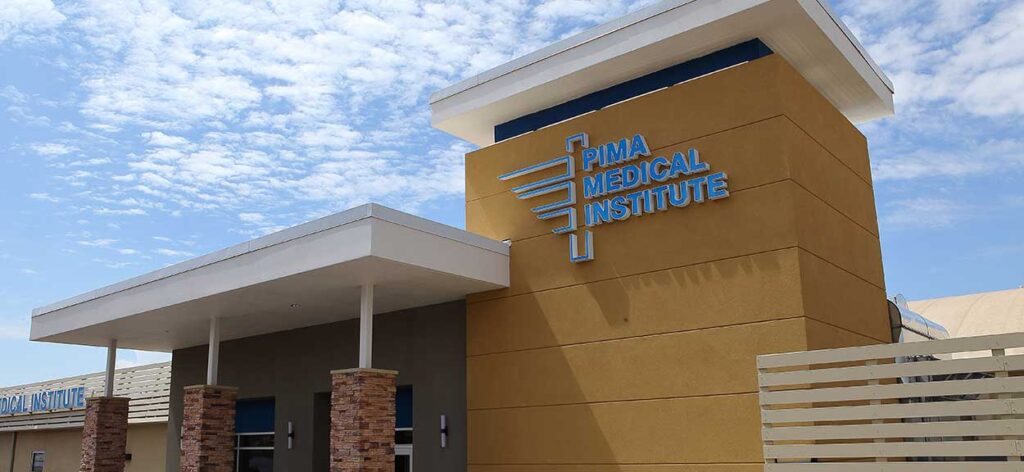
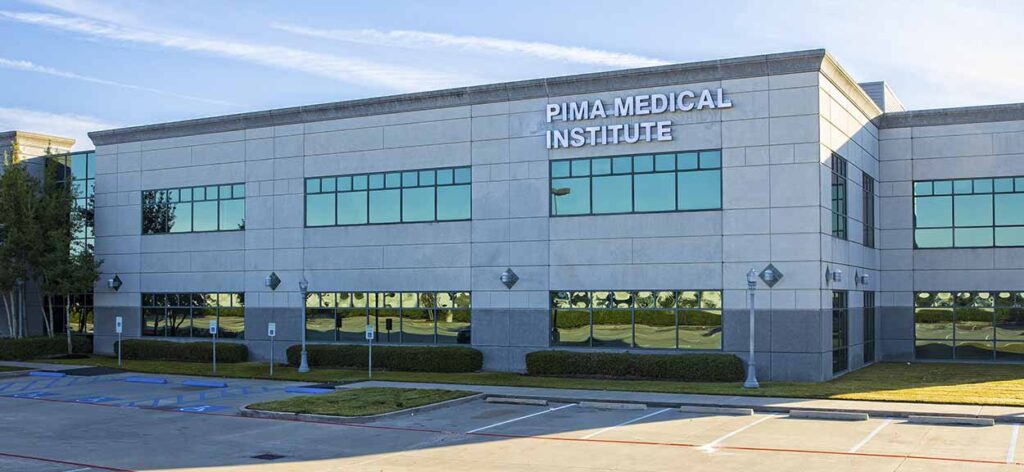
Pima Medical Institute has campuses across the West, each offering hands-on Medical Assistant training built for immediate workforce entry.
 Arizona
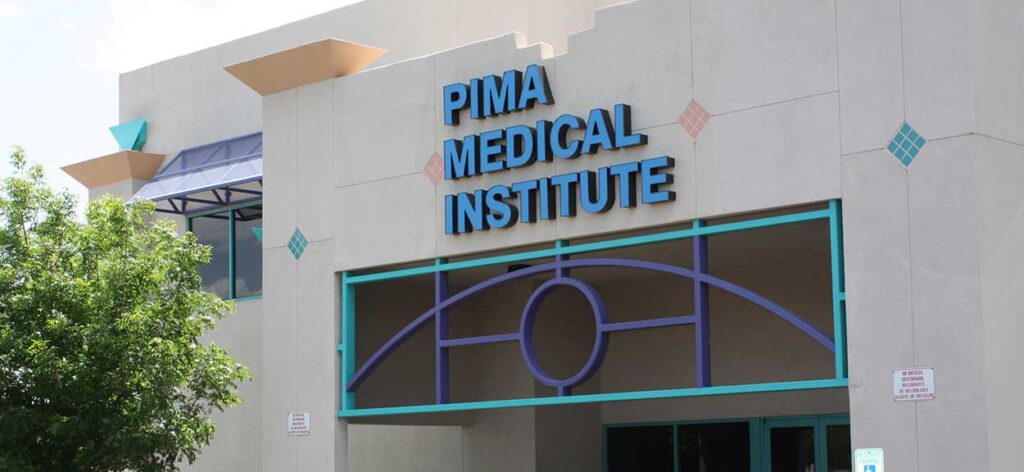
East Valley
Our East Valley campus serves the suburban Phoenix areas of Mesa, Gilbert and Apache Junction and is located just off…
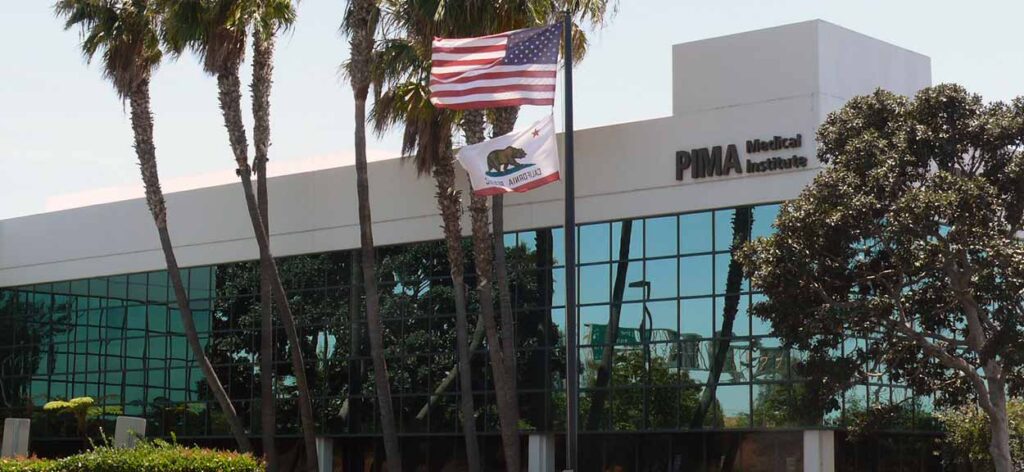 California
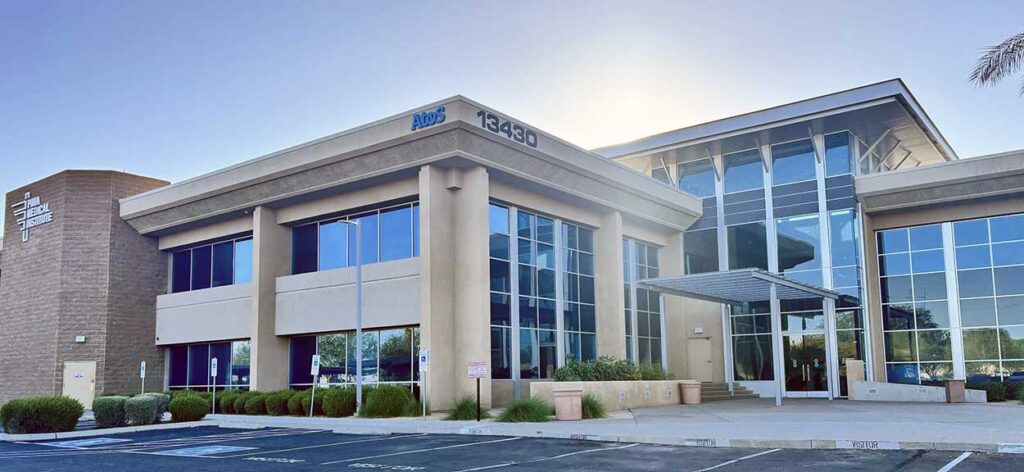
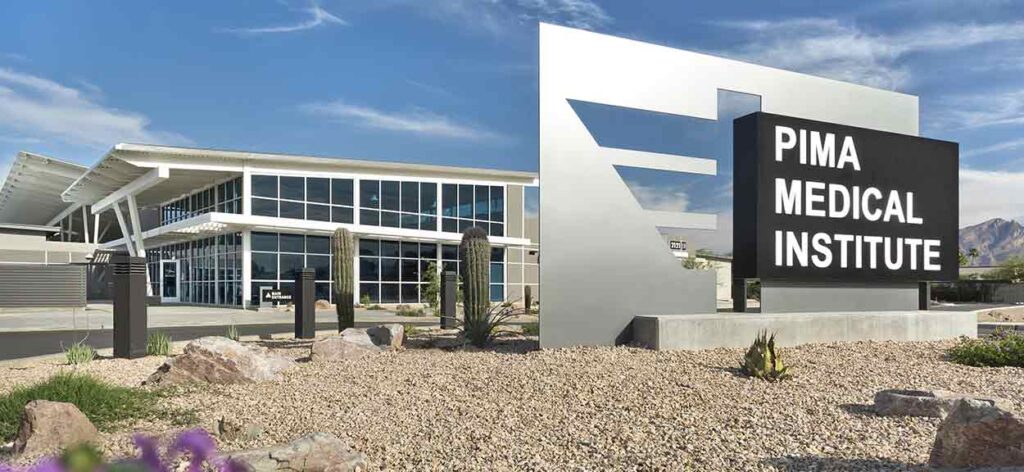
Chula Vista
Our Chula Vista campus has been providing hands-on healthcare training to the San Diego community since 1998. Our labs use…
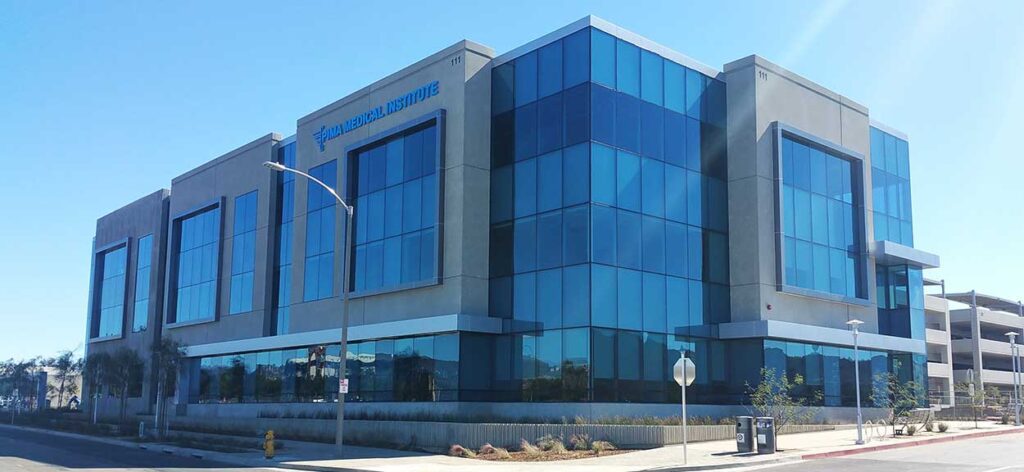 California
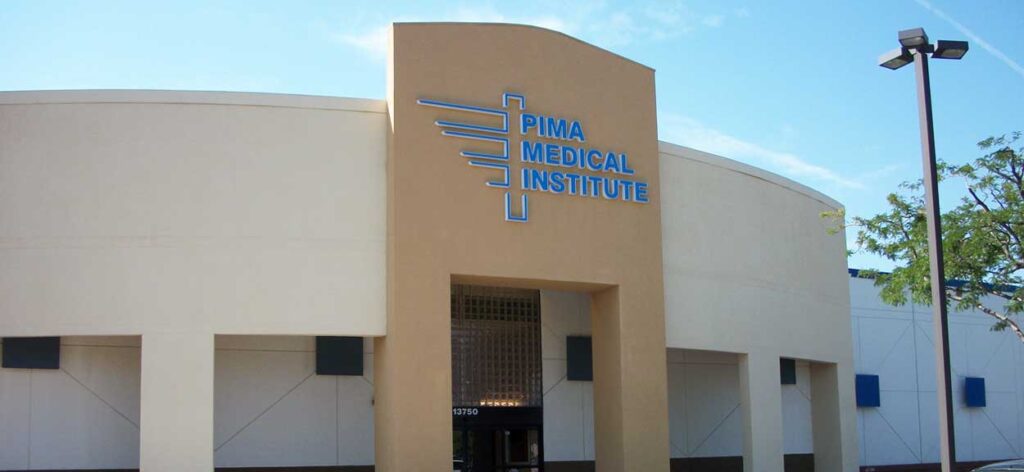
San Marcos
Our San Marcos campus is conveniently located in North City, a multi-use community space offering dining, entertainment, shopping, and outdoor…
 Colorado
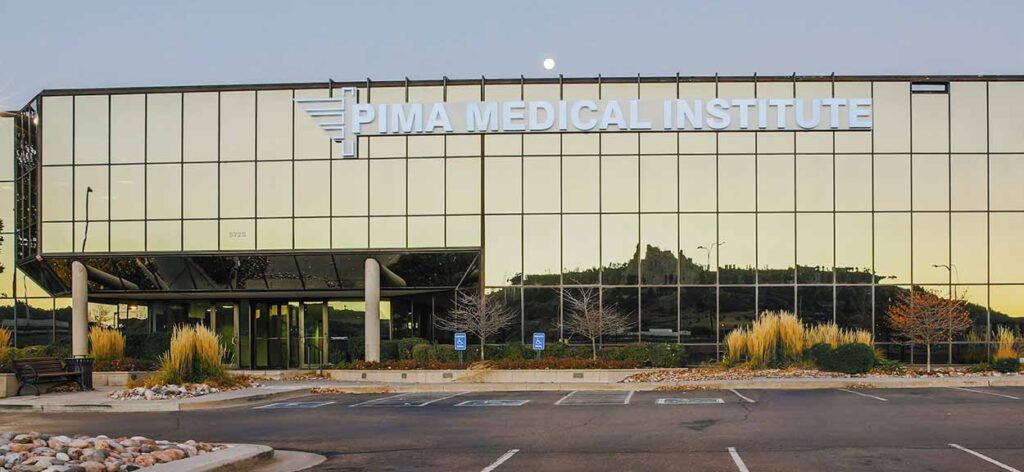
Colorado Springs
Our Colorado Springs campus, opened in 2002, has been serving the larger Colorado Springs community with advanced dental, medical and…
 Texas
Texas
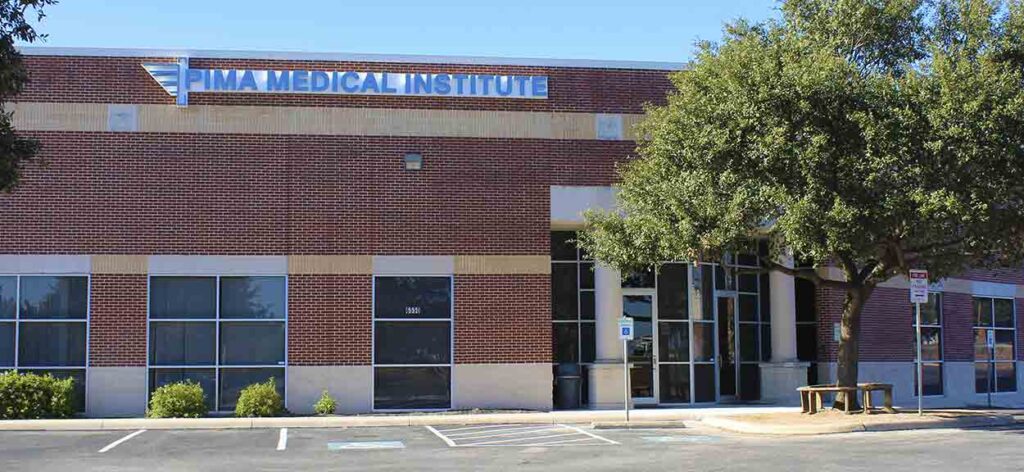
San Antonio
Our San Antonio, TX campus is located in Northwest San Antonio, in the heart of the medical center district. We’re…
 Washington
Renton
Our Renton campus, opened in 2004, serves the greater south Seattle and Tacoma communities. Hands-on training and support from experienced…
 Washington
Seattle
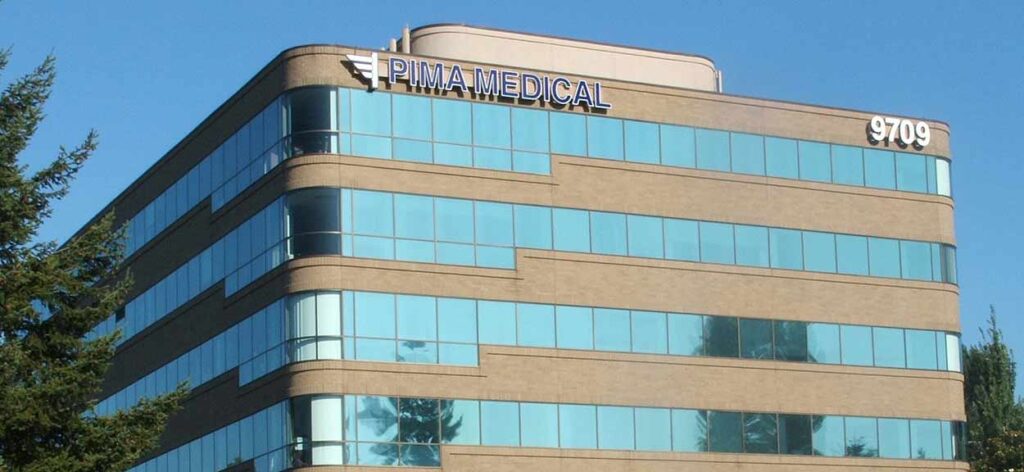
Our Seattle campus, opened in 1989, proudly serves the Seattle community, offering programs in dental and medical assisting, pharmacy technician…
Clinical Externships
At Pima Medical Institute, most programs allow students to work in their field through clinical externships—a chance to be mentored by full-time professionals and interface with real patients.
In addition to real-world experience, clinical externships offer students resume-worthy opportunities, letters of recommendation from supervisors and sometimes job placement directly after graduation.
Learn More About Externships→Job Outlook
What careers can you pursue with a Veterinary Technician associate degree?
The Veterinary Technician associate degree program prepares students to apply for roles including:
- Veterinary technician
- Laboratory animal technician
- Veterinary dental technician
- Surgical veterinary technician
These careers may exist in a variety of health care environments, including veterinary clinics and hospitals, biomedical research facilities, diagnostic laboratories, zoos and wildlife facilities, ranches and agricultural settings and humane societies and animal control facilities.
Career Services
When you’re a Pima Medical Institute student, you get access to our Career Services team—here for you when you need extra help with finding the right job opportunities, building a resume, strengthening your interview skills or just looking for general guidance.
View Career Services→Student Services
Our team of student service professionals are on hand to see students through the challenges they might face during their academic career. We offer guidance and resources to ultimately help build employable medical professionals.
View Student Services→Application Process
- Submit the form below
A few quick details so we can get to know you before we connect.
- Chat with our team
They’ll ask about your goals, your background, and what’s drawing you to healthcare. From there, they’ll help you find the right program and campus for where you are in life right now.
- Attend your campus tour
Experience Pima Medical in person and picture yourself in a career that matters. We’ll walk you through programs and what to expect.
- We help you complete your application
Our team guides you through every step, including enrollment and financial services, so nothing stands between you and getting started.
Veterinary Technician Eligibility Requirements
- Possess a high school diploma or recognized equivalency
- Additional requirements may apply by campus

Tuition & financial aid
Federal aid (FAFSA), institutional scholarships and payment plans are available for those who qualify to help make your education affordable.
View program costs, additional disclosures and outcomes for this program (if applicable)→
FAQs About our Veterinary Technician Associate Degree Program
What is a Veterinary Technician?
What does a Veterinary Technician do?
What is the difference between a Veterinary Technician and a Veterinary Assistant?
What will I learn in the Veterinary Technician program?
How long does the Veterinary Technician program take to complete?
How do I become a licensed Veterinary Technician after graduation?
Is the Veterinary Technician program available online or in a hybrid format?
For students who need more flexibility in their schedules, hybrid learning options are available for the Veterinary Technician program at select campuses. This format combines in-person instruction with online coursework, allowing you to complete lecture and lab theory work at times and in environments that fit your schedule — whether you’re balancing a job, family responsibilities, or distance from campus. Clinical externship hours, however, must be completed entirely in person, since hands-on experience with live animals is essential to building the practical skills and confidence needed for veterinary patient care.
*Hybrid learning is not offered at every campus; contact your local Pima Medical campus to confirm availability for the Veterinary Technician program.
What are the admissions requirements for the Veterinary Technician program?
What campuses offer the Veterinary Technician program?
Is financial aid available for the Veterinary Technician program?
Program Outline
Learn more about the courses in this program.
Professional Sequence I
Professional Sequence II
Professional Sequence III
Professional Sequence IV
Professional Sequence V
Externship
* The Veterinary Technician program is a degree completion program; the total program length and program hours include the PMI Veterinary Assistant program. Program length: day classes total 77 weeks and evening classes total 86 weeks. The total number of program hours is 1,775 at all campuses except in Las Vegas. The Las Vegas campus program hours total 1,820 and includes one additional 3 credit class presented online or on-ground (HST 205 Nevada History and US Constitution). Graduates of this program are granted an Associate of Applied Science degree.
Semester I
Semester II
Semester III
Semester IV
Semester V
Externship and Seminar
Nobody Says It Better Than Our Students
Read our reviews from students and alumni to find out for yourself…
Pima Medical Blog

Naundi Perkins, Licensed Veterinary Technician, Bellevue Veterinary ER & Speciality
Naundi Perkins is a three-time graduate of Pima Medical Institute. She earned her Phlebotomy certificate from the Renton campus and went on to earn her…

Pet CPR and First Aid: What to Do When Your Pet Stops Breathing
Pet CPR and First Aid: What to Do When Your Pet Stops Breathing What would you do if your dog collapsed right in front of…
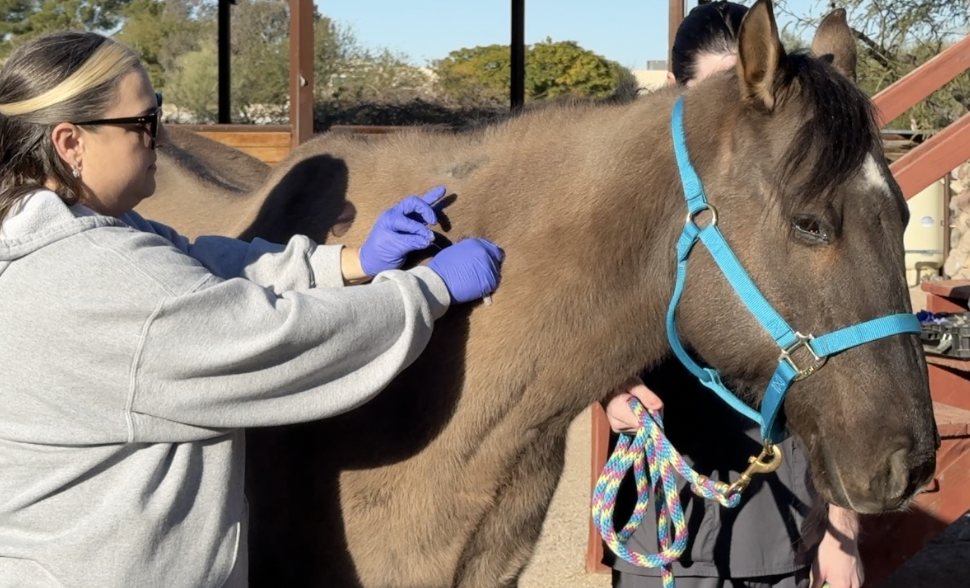
EHV-1 outbreak confirmed in Arizona horses: Pima Medical’s Tucson Veterinary Technician students learn vaccination techniques
KGUN Tucson – A highly contagious equine virus that is spreading across parts of the country, and Arizona veterinarians are urging horse owners to take…
Accreditations and Disclosures
State Licensure Determination Disclosure
The Veterinary Technician program is offered via on-ground and hybrid delivery methods. The program is available to residents of Arizona, California, Colorado, Nevada, Texas, and Washington, and meets applicable licensure requirements in those states. While there may be online components, completion of this program requires on-ground attendance at the campus at which the student is enrolled and cannot be completed solely via distance education. Prospective students and enrolled students should understand that moving out of the state in which they enrolled may adversely impact a student’s ability to complete the program. If a student is planning to relocate outside of their state of enrollment he or she is required to discuss this with the Student Services Coordinator and/or Program Director.
In compliance with 34 CFR 668.43 Pima Medical Institute has made a reasonable effort to determine graduate eligibility for licensure in all states for programs designed and advertised as leading to licensure. The document below lists Pima Medical Institute programs and states where the curriculum meets licensure requirements, states where the curriculum does not meet licensure requirements, and states in which Pima Medical Institute has been unable to determine if the curriculum meets state licensure requirements. All consumers should be advised that due to the frequent changes to state statutes, rules, and regulations Pima Medical Institute cannot guarantee licensure based on the lists below.
State Licensure Determination Disclosure – Associate Degree
Contact information for state licensing boards in which Pima Medical Institute has determined the program does not meet state licensure requirements or where Pima Medical Institute has been unable to determine if the program meets state licensure requirements can be found below.