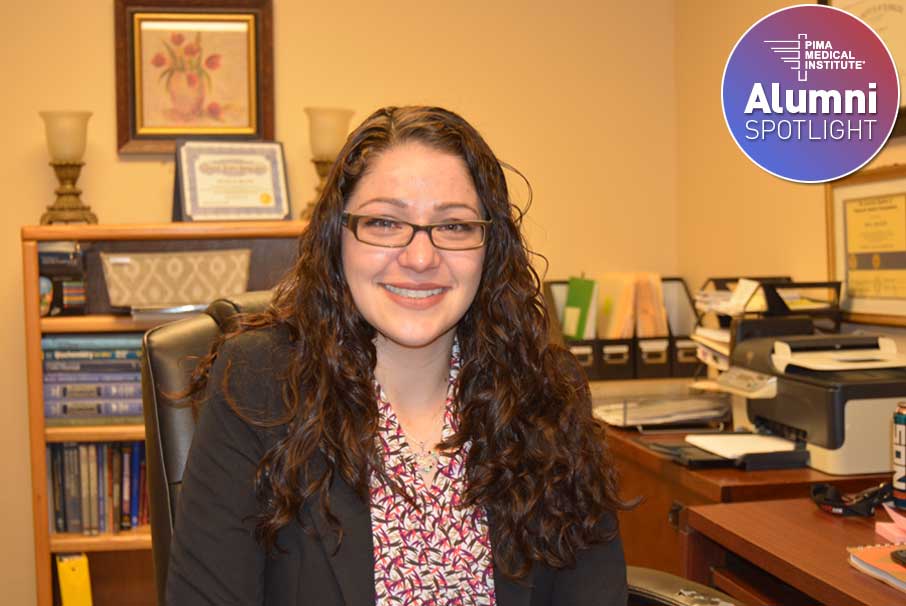
Hear From Julie Silver, PA-C, MMS, Dermatology Physician Assistant, East Valley Dermatology
In this episode of Voices of Vital Care, host Nohelani Graf sits down with Julie Silver, PA-C, MMS, a physician assistant specializing in dermatology at East Valley Dermatology, to talk about spotting suspicious moles, separating sunscreen myths from facts and building simple habits that protect your skin.
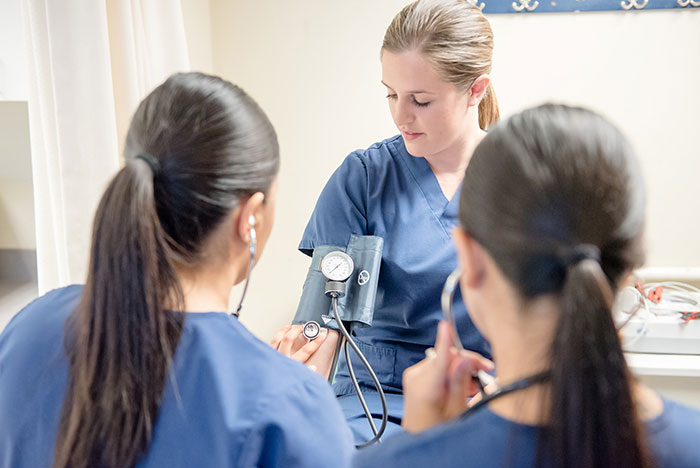
Silver also pulls back the curtain on what happens during a skin exam and why medical assistants are essential members of the care team. If you have ever wondered what the medical assistant role looks like day to day, Pima Medical Institute’s Medical Assistant certificate program is a great place to start. When Silver describes the medical assistant’s role, one example stands out.
“If they say, oh, that was a four millimeter and now you’re calling it a seven millimeter mole, that’s significant for me. I may not see that it looks so suspicious. But that change can catch things early. So absolutely, that could save a life.”
-Julie Silver, PA-C, MMS, physician assistant, East Valley Dermatology
That attention to detail is a big part of why medical assistants matter in dermatology offices. Silver walks through how the team works together from check-in to biopsy, with medical assistants documenting measurements, tracking changes from year to year, keeping patients comfortable and making sure samples reach the right lab. She also explains that early detection starts with you. Her advice at home is simple.
“Check your skin once a month. Just look in the mirror. It’s out there. You can see it. Just take inventory and notice if there are any changes.”
-Julie Silver, PA-C, MMS, physician assistant, East Valley Dermatology
That monthly habit is the first link in a larger chain of care. When you spot a change and book an appointment, you hand it off to a team of providers and medical assistants who document, compare and track what they see from visit to visit. Early detection works best when all of those pieces come together: you, your provider and the medical assistant by their side. If you are drawn to being part of that team, a career as a medical assistant is a way to help people monitor their health, early.
In this episode, you will learn:
- The warning signs of skin cancer, including the ABCDE checklist for suspicious moles: asymmetry, irregular borders, multiple colors, larger diameter and evolving changes
- Why a monthly skin check at home, plus Silver’s two-month rule for anything that is not acting right, can help you catch changes early
- How tanning beds, sunburns and everyday exposure, like time spent driving, add up over the years
- What sun protection looks like in real life, from reapplying sunscreen to seeking shade and wearing protective clothing and hats
- What to expect during a dermatology visit and how dermatoscopes (handheld lighted magnifying devices) help providers see details the naked eye cannot
- How a medical assistant supports skin exams, documents changes and assists with biopsies, and how the Pima Medical Institute’s Medical Assistant certificate program prepares students for that role
- Why thorough, hands-on training, like the clinical externships at Pima Medical Institute, helps build the compassion and care patients remember
Who this episode is for: Anyone who wants to understand skin cancer warning signs and sun safety, parents building healthy habits for their kids and anyone curious about a health care career as a medical assistant.
Beyond the Episode
Medical assistants are in demand across healthcare. According to the U.S. Bureau of Labor Statistics, the median annual wage for medical assistants was $45,690 in May 2025, employment is projected to grow 13 percent from 2025 to 2035 and about 109,700 openings are projected each year, on average, over the decade.
As Silver and Graf discuss, medical assistants act as an extra set of eyes for the provider, learning a patient’s history and noticing subtle changes over time. It is a role where you can make a real impact at the earliest stage of a patient’s care, in settings like dermatology offices, physicians’ offices and clinics.
*U.S. Bureau of Labor Statistics, U.S. Department of Labor, Occupational Outlook Handbook, Medical Assistants, at https://www.bls.gov/ooh/healthcare/medical-assistants.htm (visited October 12, 2026).
Ready to learn more? Learn how to apply or reach out to the Pima Medical Institute admissions team to find out if the Medical Assistant certificate program is the right fit for you.