Hear From Bree Fulp, Corporate Director of Admissions, and Amanda Mariani, Director of High School Admissions, Pima Medical Institute
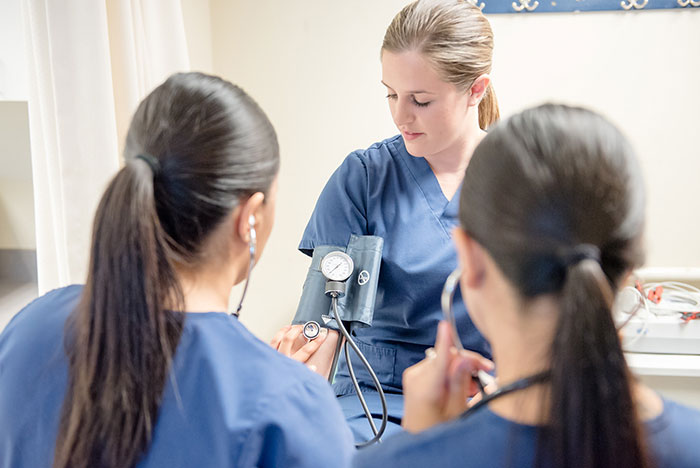
What if the “right” path after high school isn’t the one everyone expects? For students weighing a four-year degree against something faster, the pressure to choose can feel bigger than the decision itself. In this episode of Voices of Vital Care, host Nohelani Graf sits down with Bree Fulp, Corporate Director of Admissions, and Amanda Mariani, Director of High School Admissions, both at Pima Medical Institute, to break down what career-based education actually looks like and how programs like the Medical Assistant certificate program can get students into the field in under a year.
Throughout this episode Fulp and Mariani talk through the real questions students and parents ask before enrolling, how fast students can start working and what happens if their situation changes mid-program. Fulp hears worry-filled stories from students all the time, and she has a straightforward way of talking through it.
“They are really trying to figure out a way to get from point A to point B, so to be able to sit down with somebody and say, hey, I see where you’re at today, we can get you to a much better place. In eight to nine months, under a year, you can be working as a health care professional.”
-Bree Fulp, Corporate Director of Admissions, Pima Medical Institute
That timeline is often the first thing that surprises prospective students, especially those who assumed a four-year university was their only option. Mariani sees the same reaction from high school seniors who don’t yet know career-based education exists. For Mariani, the perception that a four-year degree is the only path towards pursuing a meaningful career is one of the biggest misconceptions she works to correct.
“This is definitely an intentional entry point into the health care field. It’s not a backup plan. It’s not something that our students are settling on. It is a faster way to get the hands-on clinical experience they get by working in the health care industry, and we’re able to provide that a little bit faster.”
-Amanda Mariani, Director of High School Admissions, Pima Medical Institute
In this episode, you will learn:
- Why so many high school seniors feel pressure to have their whole life figured out at 18
- The real difference between a traditional nursing degree and a Medical Assistant certificate program, including how much sooner students get hands-on patient interaction
- Why career-based education is built for students juggling jobs, kids or other responsibilities
- The path from programs like the Dental Assistant certificate program through an associate, bachelor’s or master’s degree without committing to one long-term plan up front
- What medical career specialists actually help students work through including financing, transportation and work schedules
- Why fear of the unknown and self-doubt hold students back more often than logistics do
- Why starting a program with a friend or family member through Pima Medical Institute’s referral program tends to improve the odds a student finishes
Who this episode is for: Anyone weighing a traditional four-year degree against a faster path into health care, especially high school students, parents and career-changers who feel unsure about their options.
The opinions expressed in the podcasts are not those of Pima Medical Institute.
Ready to learn more? Learn how to apply or reach out to the Pima Medical Institute admissions team to find out which program is the right fit for you.
For important information about our programs, graduation rates and student outcomes, visit the Pima Medical Institute Student Consumer Information page.